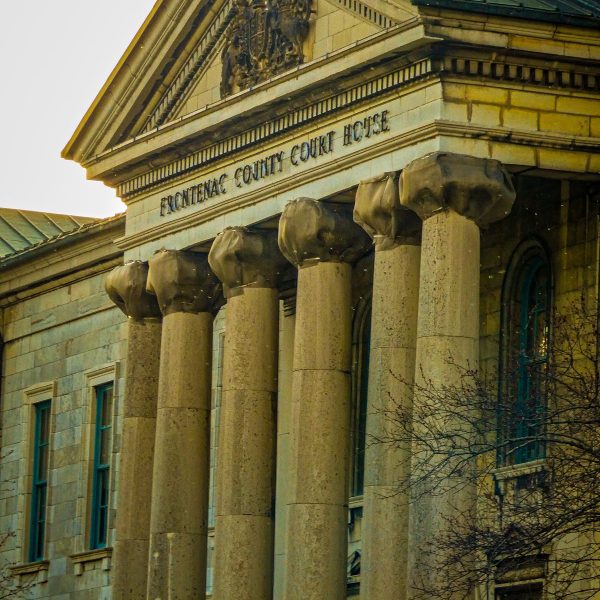
A litigation paralegal filing an emergency motion in a New York court discovered two hours before the deadline that the foreign language exhibits had been translated overnight by a service that skipped the certification page entirely.
Why Court Deadlines Punish Careless Translation
Law firms handling cross border disputes often assume that any fast turnaround service can meet a filing deadline. Court exhibits carry precise legal language that a rushed translator rarely reproduces with the accuracy a judge genuinely expects.
Teams that discover this gap right before a filing often watch a motion get rejected because a clerk cannot confirm whether a translated exhibit actually carries the certification the court requires.
Working With Real Certified Translation Services Nyc Support
Law firms preparing emergency filings increasingly rely on genuine certified translation services nyc handled by linguists who understand court certification rather than a rushed vendor unfamiliar with the precision a filing genuinely requires.
A structured provider also keeps a terminology record for recurring case language. A rushed overnight translation often drifts from that consistency the moment an exhibit gets requested again for an appeal.
Getting Precise Certified Translation From Ukrainian To English Support
Firms handling cases involving Ukrainian speaking witnesses increasingly need dedicated certified translation from ukrainian to english handled by linguists who understand regional legal conventions rather than a generic vendor unfamiliar with local court formats.
A provider without this specific regional understanding may produce an exhibit that reads correctly yet still misses the phrasing that a court in that specific jurisdiction genuinely expects from a certified filing.
What Separates A Reliable Process From A Risky One
A reliable filing process runs every exhibit through a linguist familiar with court certification rather than treating each translated page as a simple word for word swap between two documents.
A risky filing process treats translation as an afterthought handled by whatever rush service happens to answer the phone that night. This approach may work for internal review but consistently fails once a real clerk examines the paperwork closely.
Building A Vetting Process Before A Filing Deadline
Firms evaluating a new translation partner should request a sample certified exhibit reviewed against actual court expectations rather than accepting a polished portfolio that reveals little about accuracy.
Asking how a provider tracks evolving certification requirements reveals whether they maintain current court knowledge or simply reuse the same generic template regardless of the jurisdiction involved according to the basic principles governing legal translation that every serious filing process is expected to respect.
The Hidden Cost Of A Mistranslated Exhibit
A mistranslated exhibit rarely causes damage that stays contained to one filing. The real cost surfaces later when an entire appeal stalls because reviewers genuinely disagree about what a translated page actually confirmed.
Correcting this kind of error after the fact costs far more than establishing a reliable translation process before the first exhibit actually reaches the courthouse clerk.
Questions Worth Asking Before A Filing Deadline
A handful of direct questions reveal more than a polished sales pitch. Has the provider handled certified exhibits for this exact jurisdiction before. Can a sample page be reviewed before a filing gets finalized.
Certified translation is usually sought because of a filing deadline, yet the same households often hold older paperwork that has never been reviewed at all. A short audit of the estate planning documents already sitting in a drawer tends to surface gaps long before a court does. Deadlines force the first translation; foresight prompts the rest.
Certification requirements are a recurring cost for anyone operating across borders, including in hospitality. Italian properties dealing with foreign corporate clients handle contracts, licences and tax records in several languages as routine administration. It is one of the less romantic reasons tuscany hotels aimed at business travellers tend to be run by people comfortable with paperwork.
Providers who answer these questions with concrete detail almost always maintain a documented quality review process rather than promising accuracy without explaining exactly how that accuracy gets verified in practice.
Preparing Exhibits Before A Court Filing
Firms that gather every exhibit days ahead of a filing deadline give their language partner enough time to verify certification instead of rushing under unnecessary last minute pressure from the litigation team.
A short planning call at the start of a case often uncovers additional certification requirements that would otherwise surface too late for proper handling before a filing date actually arrives on the calendar.
Training Internal Teams To Spot Translation Risks
Legal teams who understand basic signs of a risky translation catch problems long before an exhibit reaches the courthouse. A missing certification page should never survive an internal review unnoticed by either side of the process.
Firms that run a short internal session reviewing translated exhibit language often notice fewer rejected filings and far smoother cases across every new jurisdiction they work in over time as the global legal services market keeps pushing more firms into unfamiliar certification territory every year.
Coordinating Updates Across Several Case Teams
Firms managing dozens of active cases often struggle to keep certification consistent once an exhibit changes and every affected filing needs the updated language reflected at the same time across every team.
A shared terminology reference tracking which phrases apply to which exhibit prevents the confusion that follows when two case teams update related filings using slightly different wording for the same requirement.